

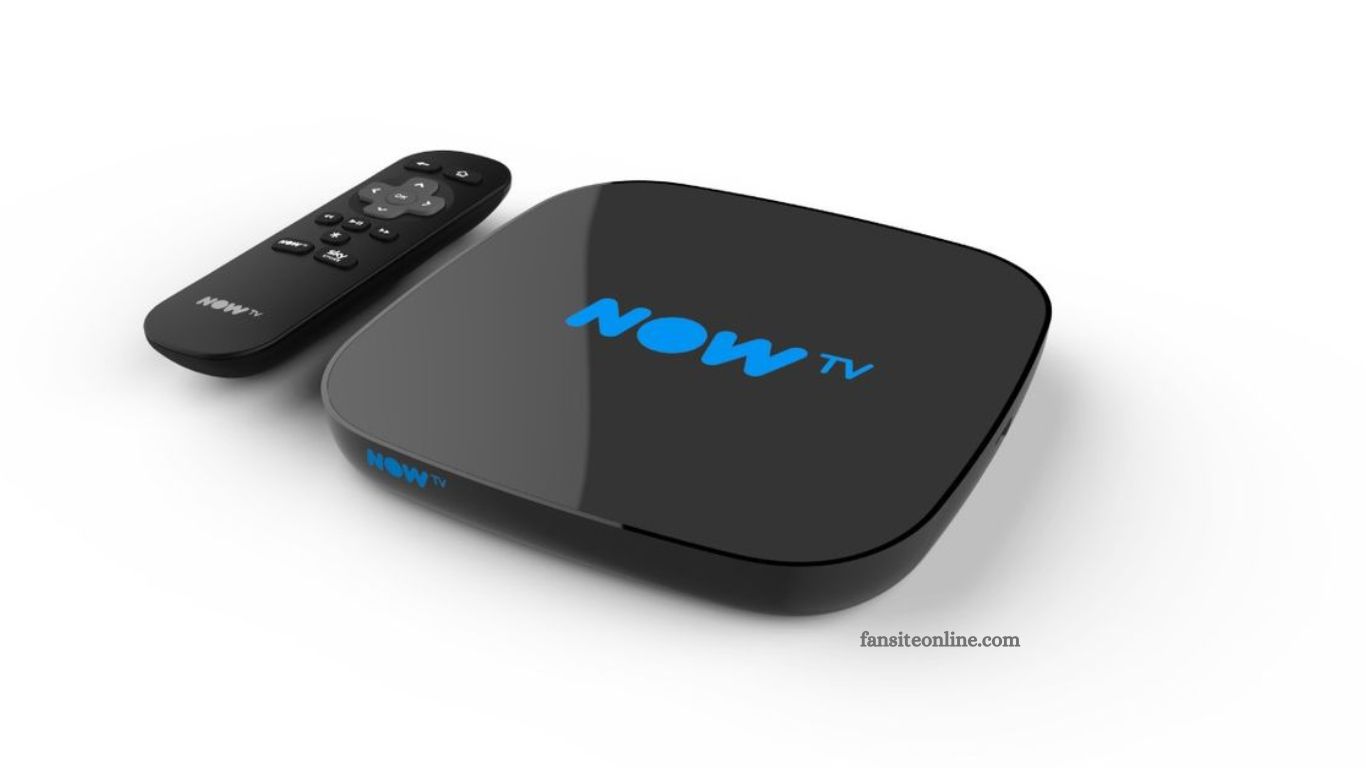
Today’s age of smart TVs, streaming apps, and mobile entertainment, many people are asking: Is a TV box still worth it? Once seen as a revolutionary device that brought the internet and on-demand entertainment to television screens, TV boxes now face stiff competition from built-in smart TV features and a wide range of streaming devices. But do they still hold their ground in 2025? Let’s explore.
What Is a TV Box?
A TV box still sometimes called an Android TV box or streaming media player, is a device that connects to your television and gives it smart capabilities. These boxes typically run on Android OS, though others use proprietary platforms (like Apple TV or Roku), and allow users to stream content, browse the web, download apps, and even play games.
TV boxes gained popularity because they could turn any regular TV into a smart TV, offering access to platforms like Netflix, YouTube, Hulu, Amazon Prime Video, and many more. But with the rise of smart TVs, the need for external devices has been called into question.
Read More: New App To Watch TV Channels Movies And Series
Are Smart TVs Replacing TV Boxes?
Smart TVs come with built-in apps and internet capabilities, reducing the need for external devices. However, not all smart TVs are created equal. Many suffer from slow interfaces, limited app availability, or a lack of updates over time.
This is where TV boxes still shine. They often offer:
- Faster performance
- Greater customization
- Access to more apps
- More frequent software updates
- The ability to sideload apps not found in official stores
So while smart TVs offer convenience, they may not always provide the best or most flexible user experience especially for tech-savvy users.
Key Benefits of Using a TV Box
Better Performance
Many TV boxes come with high RAM and advanced processors, which makes them faster than many built-in smart TV systems.
App Versatility
TV boxes running Android allow users to install almost any app, including third-party streaming apps that may not be available on smart TVs.
Frequent Updates
While smart TVs often stop receiving updates after a few years, popular TV boxes tend to have a longer update life cycle or allow for custom firmware.
Portability
TV boxes are compact and can be taken anywhere. Going on vacation or moving house? Just plug in your box to a new TV and continue streaming.
Gaming Capabilities
Many advanced TV boxes support cloud gaming or light Android gaming, turning your TV into a mini gaming console.
What Types of Users Benefit Most from a TV Box?
- Cord-cutters: Those who’ve abandoned cable TV in favor of streaming.
- Tech enthusiasts: Users who enjoy customization and advanced features.
- International viewers: Those who want to access apps and content not supported in their region.
- Budget-conscious users: A basic TV plus a good TV box can often be cheaper and more powerful than an expensive smart TV.
Frequently Asked Questions
Are TV boxes legal?
Yes, TV boxes themselves are legal. However, using them to access pirated or unauthorized content is not.
Can I use a TV box on any TV?
Yes, as long as your TV has an HDMI port, you can use a TV box with it.
Which is better: a smart TV or a TV box?
It depends on your needs. Smart TVs offer convenience, but TV boxes often provide better performance and flexibility.
Is a TV box the same as a streaming stick (like Fire Stick)?
Not exactly. Streaming sticks are simplified and may have fewer features. TV boxes usually have more power, storage, and customization options.
Do TV boxes support 4K or HDR?
Many modern TV boxes support 4K resolution and HDR playback, but you should check the specifications before buying.
Do I need internet for a TV box?
Yes, most features require an internet connection to stream content. Some boxes offer limited offline functionality (like playing locally stored media).
How much does a good TV box cost?
TV boxes can range from $30 for basic models to $200+ for premium ones like NVIDIA Shield or Apple TV 4K.
Conclusion
World where smart TVs dominate the market, it’s easy to assume that TV boxes have become obsolete — but that couldn’t be further from the truth. While smart TVs offer basic streaming features, they often fall short in performance, app support, and long-term updates. TV boxes continue to fill that gap with faster performance, broader customization, and access to a wider range of content.
